A much lighter novella, and concise prequel to "The Good Daughter". A great little legal yarn, with some decent character development and a well developed plot twist. 3.5/5
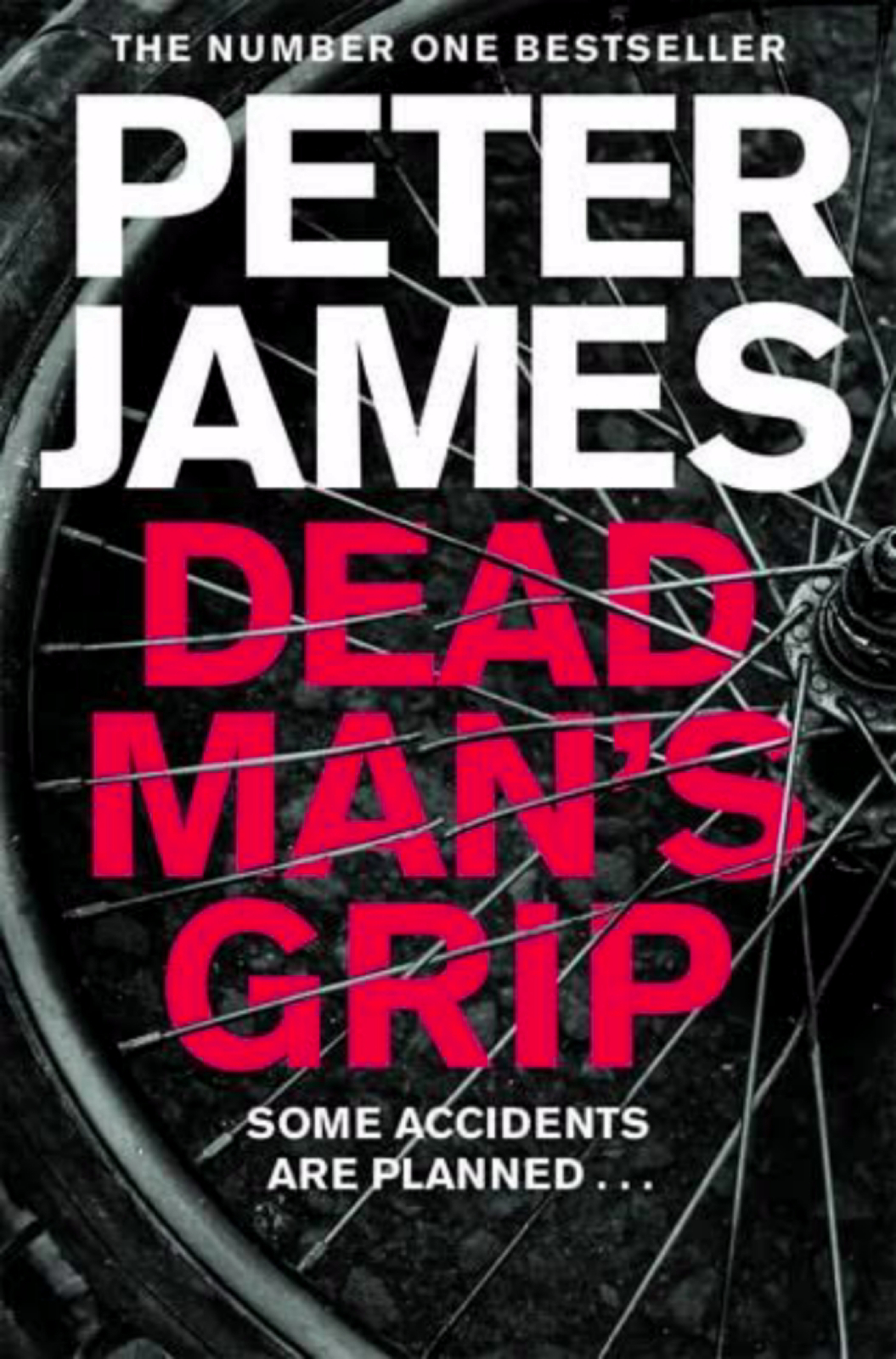
A deadly vehicle accident and the impact and consequences thereof provide the backdrop. As such a young American student and son of NY mobsters loses his life in the accident where all three other parties did something wrong. The focus is however on Carly Chase who finds her world turned upside down when the drivers of the other vehicles involved are brutally murdered. DS Roy Grace is called in to investigate the escalating violence. As the body count rises, it becomes clear that a deadly force is hunting down those connected to the accident. With Carly as the next potential target, Grace and his team race against time to prevent further deadly consequences. The focus in the novel shifts somewhat away from our main series-protaganists towards Carly and her thinking and actions. It works pretty well, but the absence of a whodunnit and unexpected twists and turns renders the novel slightly tedious. 3/5
The first novel in a murder mystery trilogy set in a dystopian future London. The story centers around a disoriented man with amnesia, named Sherlock Holmes by a stranger who fished him out of the Thames rive, ie Watson.Together they try to solve the mystery of Holmes' identity while also being entangled in another puzzling case which started with an airliner crash over London. Very clever writing, with true to Connor Doyle atmosphere, which works very well in the dystopian future London. The mystery in this novel focuses around Holmes more than any murder and thus creates the setting for the series which will follow. 4/5
Over the course of a week, the unnamed protagonist meticulously analyzes her fifteen-year marriage to someone whom she claims she loves as much as the first day she laid eyes on him. Through her extremely obsessive lens, she examines their relationship, questioning love, control, and the complexities of intimacy. As the narrative unfolds, readers are drawn into a world of doubt, paranoia, and the blurred lines between obsession and love. The novel delves into the depths of the protagonist's very unbalanced psyche as she grapples with her own perceptions of reality. Though only a novella, it could have been shorter and the reveal at the end is somewhat expected throughout the novel. That said, very well-written and very odd. 4/5




Comments
Post a Comment